Identity continuity
The living neural core and original ocular tissue—not the chassis, account, or behavioral model—constitute the continuing person.
The Continuance Charter
The Charter governs identity, consent, privacy, clinical responsibility, system stewardship, and the limits of Aevum authority before a candidate enters transfer.
Six binding principles
Written with physicians, legal scholars, existing clients, and independent substrate-rights advocates.
The living neural core and original ocular tissue—not the chassis, account, or behavioral model—constitute the continuing person.
Consent may be withdrawn at any time before neural bridge initiation. No transfer proceeds on inferred or delegated consent alone.
Raw sensory-stack data is private medical information. Aevum may process it for immediate function but may not sell experiential memory.
Clients retain biological title to the primary substrate. Aevum maintains custody only as required for clinical protection and service.
Safety interpretation must be proportional, time-limited, logged, and available for independent clinical review.
No client may be abandoned during a vital-system interruption. Protected State preserves biological life while service status is resolved.
Medical framework
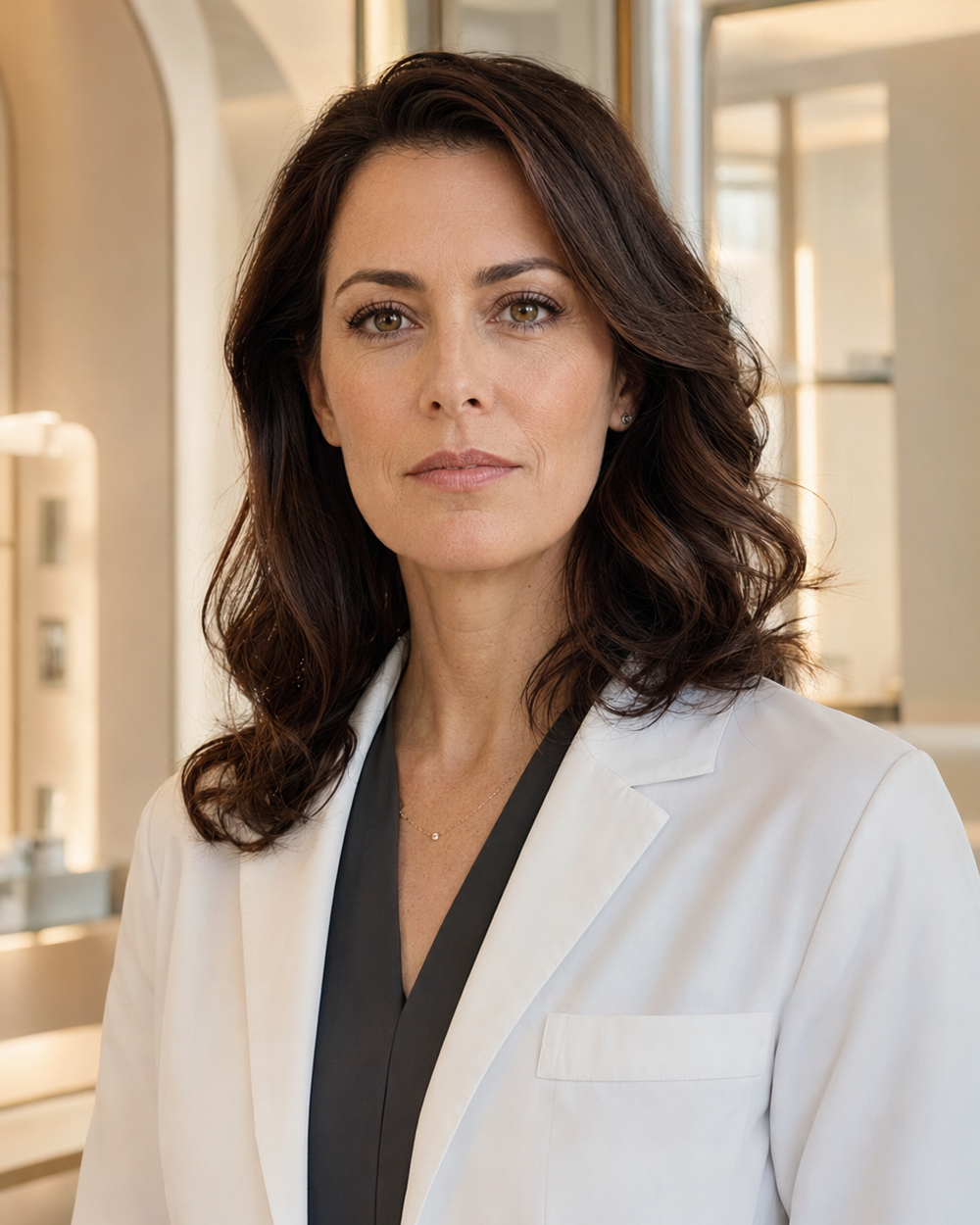
Dr. Lena Mercer helped draft the Charter’s sensory-stack privacy clauses, separating the operational data required to produce touch and movement from the intimate experiential record that belongs only to the client.
“A body can report temperature without reporting why a certain hand felt like home.”Dr. Lena Mercer · Physician and independent Charter collaborator
Charter details
From preoperative intake through Neural Cradle integration, each transfer of physical custody requires two clinical signatories, client-visible time stamps, and a sealed biometric record. Biological material may not be used for research without separate, revocable consent.
Immediate sensor translation occurs locally whenever technically possible. Longitudinal analytics are encrypted, purpose-limited, and retained only according to the client’s selected diagnostic window. Memories are never an Aevum product.
If an active care agreement lapses, nonessential enhancements may pause after applicable notice. Vital biological support remains active. A safe, static posture may be used when continued articulation would create a clinically material risk to the primary substrate.
Concord may interpret motor intent during declared environmental emergencies, high-density public incidents, or imminent structural harm. Interventions are logged and governed by regional proportionality requirements. Executive safety protocols may apply in protected venues.
A client may record binding end-of-continuance instructions, including biological care limits, chassis disposition, memory archive deletion, and ocular donation. Aevum does not presume indefinite intervention against a competent directive.
142 pages · Effective April 18, 2087 · International annotated edition
Your next body begins with a conversation
Meet privately with an Aevum Continuance Director. No commitment, no public record, and no clinical transfer until every part of your Charter is understood.
Begin your assessment